google ads expert
Uncategorized

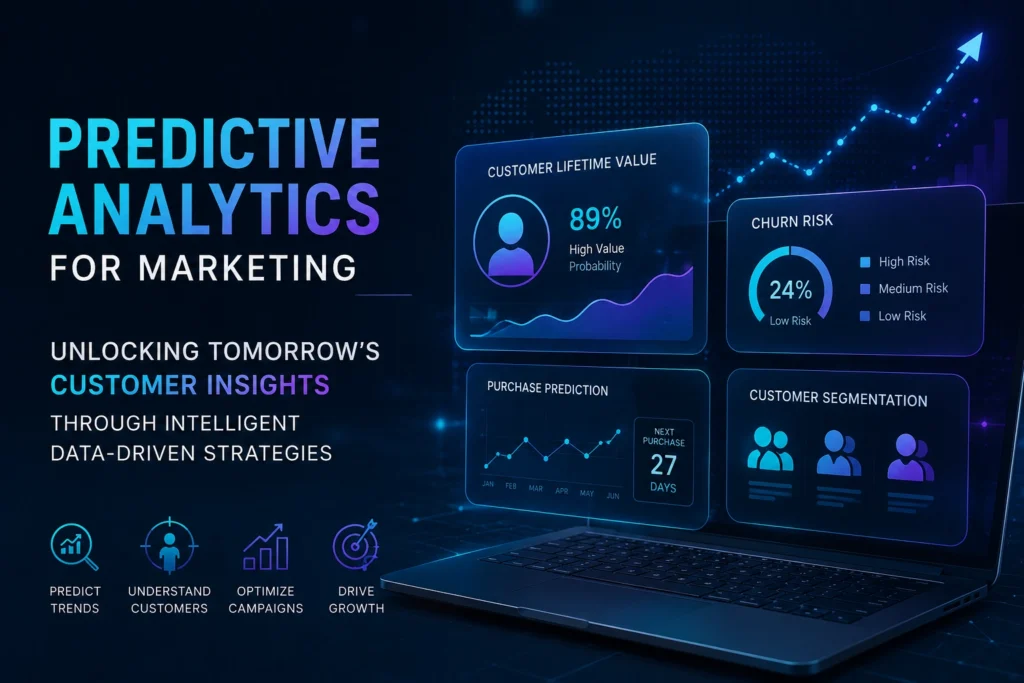
Predictive Marketing Analytics: Unlocking Tomorrow’s Customer Insights Through Intelligent Data-Driven Strategies

Introduction: The Evolution of Marketing Through Predictive Analytics Over the past few decades, marketing has undergone substantial change. Traditional marketing methods primarily relied on historical data, intuition, and broad demographic assumptions to reach potential customers. However, the rapid growth of digital technologies has transformed how businesses understand consumer behavior. Today, organizations generate massive volumes of customer data every second, creating opportunities to make more informed marketing decisions. Consequently, predictive analytics has emerged as one of the most powerful tools for modern marketers. Predictive Marketing Analytics enables businesses to anticipate customer needs, forecast future trends, and optimize marketing campaigns with remarkable precision. Instead of merely reacting to customer actions, organizations can proactively identify opportunities before they occur. As a result, companies improve customer experiences, increase operational efficiency, and maximize return on investment. Therefore, predictive analytics has become a fundamental component of successful marketing strategies across industries. Understanding Predictive Analytics in Marketing Predictive analytics refers to the practice of using statistical algorithms, machine learning models, historical data, and artificial intelligence to forecast future outcomes. Rather than focusing exclusively on past performance, predictive models identify patterns that indicate what customers are likely to do next. Consequently, marketers gain valuable insights that support strategic decision-making. In marketing, predictive analytics analyzes customer behavior, purchasing habits, website interactions, social media engagement, and transaction history. Subsequently, businesses use these insights to predict customer preferences, identify high-value prospects, estimate future sales, and personalize marketing communications. Therefore, predictive analytics transforms raw data into actionable intelligence that drives measurable business growth. Why Predictive Analytics Matters in Modern Marketing Modern consumers expect personalized experiences across every interaction. Generic advertising campaigns often fail because customers seek relevant content that aligns with their unique preferences. Therefore, predictive analytics helps marketers deliver customized messages at the right moment through the right communication channels. Furthermore, competition continues to increase across nearly every industry. Businesses must make smarter decisions while optimizing limited marketing budgets. Predictive analytics enables organizations to identify which customers are most likely to convert, which campaigns will produce the highest returns, and which marketing channels deserve additional investment. Consequently, companies reduce unnecessary spending while improving campaign effectiveness. Key Components of Predictive Analytics Successful predictive analytics relies on several interconnected components that work together to generate reliable forecasts. First, organizations collect high-quality data from multiple sources, including websites, customer relationship management systems, social media platforms, email campaigns, and sales transactions. Without accurate data, predictive models cannot deliver meaningful insights. Second, advanced analytical models process the collected information using statistical techniques and machine learning algorithms. These models continuously learn from new data, allowing predictions to become increasingly accurate over time. Finally, visualization tools transform complex analytical outputs into understandable reports and dashboards. Therefore, marketing teams can interpret findings quickly and make informed decisions with confidence. Applications of Predictive Analytics in Marketing Predictive analytics supports numerous marketing activities that improve customer engagement and business performance. One of its most valuable applications involves customer segmentation. Instead of grouping customers solely by age or location, predictive models classify customers according to purchasing behavior, preferences, spending patterns, and future potential. Consequently, marketers create highly personalized campaigns that resonate with each audience segment. Another important application involves lead scoring. Based on the possibility that a customer would become a paying customer, predictive models assess customer encounters.. As a result, sales teams prioritize the most promising leads while marketing departments focus resources more efficiently. Additionally, predictive analytics supports recommendation engines, churn prediction, customer lifetime value estimation, pricing optimization, and campaign performance forecasting. Benefits of Predictive Analytics for Businesses Predictive analytics offers numerous advantages that strengthen marketing performance. First, it significantly improves customer targeting by identifying individuals who are most likely to respond positively to specific campaigns. Consequently, businesses increase conversion rates while minimizing wasted advertising expenses. Moreover, predictive analytics enhances customer retention. By identifying early signs of dissatisfaction or declining engagement, businesses can intervene before customers leave. Therefore, organizations strengthen customer loyalty through personalized offers, timely communication, and proactive customer service. In addition, predictive analytics supports better inventory planning, demand forecasting, and revenue optimization, creating long-term competitive advantages. Challenges and Limitations of Predictive Analytics Although predictive analytics delivers impressive benefits, organizations also encounter several implementation challenges. Data quality remains one of the most significant obstacles because incomplete, inaccurate, or inconsistent information reduces prediction accuracy. Therefore, businesses must establish effective data governance practices before implementing predictive models. Additionally, privacy regulations continue to evolve worldwide. Organizations must collect, store, and process customer data responsibly while complying with applicable legal requirements. Furthermore, predictive models require continuous monitoring because customer behavior changes over time. Consequently, businesses must regularly update algorithms to maintain reliable performance and avoid outdated predictions. Best Practices for Implementing Predictive Analytics Organizations should begin by defining clear business objectives before adopting predictive analytics. Rather than collecting excessive amounts of data without purpose, companies should identify specific marketing challenges they intend to solve. Consequently, analytical efforts remain focused and produce measurable business outcomes. Furthermore, businesses should invest in skilled professionals, appropriate technologies, and continuous employee training. Collaboration among marketing teams, data scientists, and information technology specialists ensures successful implementation. Additionally, organizations should regularly evaluate predictive model performance, validate results, and refine strategies based on new insights. Therefore, predictive analytics becomes an ongoing process of continuous improvement rather than a one-time project. The Future of Predictive Analytics in Marketing The future of predictive analytics appears increasingly promising as artificial intelligence, machine learning, and automation continue to advance. Emerging technologies will enable businesses to process larger datasets, generate more accurate predictions, and deliver real-time personalized customer experiences. Consequently, marketing campaigns will become even more responsive and customer-centric. Moreover, predictive analytics will increasingly integrate with conversational artificial intelligence, voice assistants, augmented reality, and Internet of Things devices. These innovations will generate richer customer insights while creating entirely new opportunities for personalized marketing. Therefore, organizations that embrace predictive analytics today will be better prepared to compete in tomorrow’s data-driven marketplace. Conclusion: Building Smarter Marketing Strategies with Predictive Analytics Predictive analytics has fundamentally transformed the marketing landscape

website designer
Uncategorized

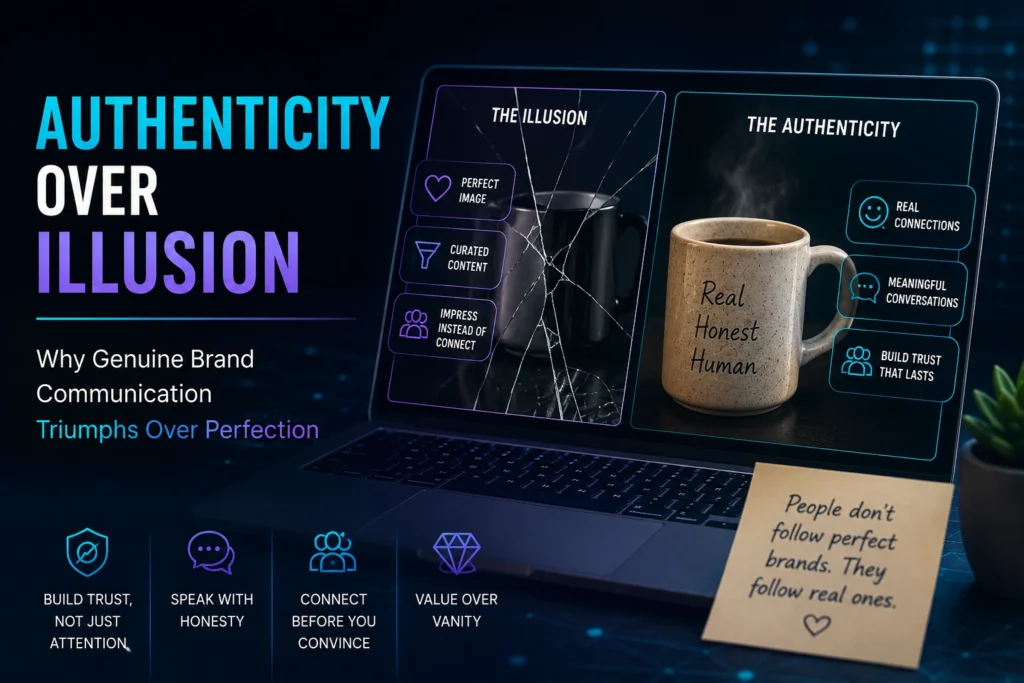
Authenticity Over Illusion: Why Genuine Brand Communication Triumphs Over Perfection

Introduction: The New Era of Brand Communication Authentic Brand Communication has become a defining factor in how businesses build trust and connect with modern consumers. Modern consumers no longer evaluate brands solely based on product quality or pricing. Instead, they increasingly assess whether a brand communicates honestly, consistently, and transparently. As digital platforms continue to amplify every customer interaction, businesses face growing pressure to present themselves flawlessly. However, despite this expectation, audiences have become more skeptical of polished marketing messages that appear overly curated or unrealistic. Consequently, authenticity has emerged as one of the most valuable assets in brand communication. Rather than striving for unattainable perfection, successful organizations embrace honesty, acknowledge imperfections, and engage in meaningful conversations with their audiences. This shift demonstrates that trust, rather than perfection, forms the foundation of lasting customer relationships. The Meaning of Authenticity in Brand Communication Authenticity in brand communication refers to the practice of presenting a brand’s true identity, values, mission, and personality. Instead of creating an idealized image, authentic brands communicate with sincerity and remain consistent across every customer touchpoint. They ensure that their promises align with their actions, thereby strengthening credibility over time. Moreover, authenticity extends beyond marketing campaigns. It influences customer service, employee engagement, corporate social responsibility, and internal culture. Every interaction contributes to the public perception of a brand. Therefore, organizations that consistently communicate genuine values establish stronger emotional connections with their audiences than those that rely solely on polished advertising. Understanding the Pursuit of Perfection Perfection has long dominated traditional branding strategies. Companies have invested significant resources into producing flawless advertisements, highly edited visuals, and carefully scripted messaging. While these efforts often create an impressive first impression, they may also distance brands from their audiences by appearing artificial or unattainable. Furthermore, the relentless pursuit of perfection can hinder creativity and responsiveness. Teams may spend excessive time refining every detail instead of engaging with customers promptly and transparently. As a result, brands risk appearing disconnected from real-world experiences. Therefore, organizations should recognize that perfection often creates barriers rather than bridges between themselves and their customers. Why Consumers Value Authenticity More Than Perfection Today’s consumers possess unprecedented access to information. Before making purchasing decisions, they compare reviews, examine social media discussions, and evaluate a company’s public behavior. Consequently, they can quickly distinguish genuine communication from carefully manufactured marketing messages. Additionally, people naturally relate to honesty because it reflects real human experiences. Brands that admit mistakes, explain challenges, and demonstrate accountability often earn greater respect than those attempting to maintain an image of perfection. Consequently, transparency strengthens customer confidence while encouraging long-term loyalty and advocacy. Building Trust Through Honest Communication Trust develops gradually through consistent and truthful communication. Every promise that a brand fulfills reinforces customer confidence, while every misleading claim weakens credibility. Therefore, organizations should prioritize honesty over exaggerated marketing language, even when discussing their achievements. Likewise, transparent communication during difficult situations demonstrates integrity. For example, when companies openly address service disruptions, product recalls, or operational challenges, customers appreciate the honesty. Instead of damaging reputation, responsible communication often strengthens public confidence because it reflects accountability and professionalism. The Role of Storytelling in Authentic Branding Authentic storytelling enables brands to communicate their purpose beyond products and services. Rather than focusing exclusively on sales, organizations can share meaningful stories about their founders, employees, customers, and communities. These narratives create emotional connections because they highlight genuine experiences instead of promotional messages. Furthermore, storytelling humanizes organizations by revealing the people behind the brand. Employees become ambassadors, customers become collaborators, and communities become partners in the brand journey. Consequently, authentic stories foster deeper engagement and encourage audiences to become active participants rather than passive consumers. The Risks of Prioritizing Perfection An excessive focus on perfection can create unrealistic expectations for both customers and employees. When brands consistently portray flawless experiences, they leave little room for mistakes or honest conversations. Eventually, even minor inconsistencies may lead to disappointment because customer expectations have become unrealistically high. Moreover, perfection-driven communication often suppresses innovation. Employees may hesitate to propose creative ideas because they fear criticism or failure. As a result, organizations lose opportunities to experiment, learn, and evolve. Therefore, embracing authenticity encourages continuous improvement while promoting a healthier organizational culture. Practical Strategies for Authentic Brand CommunicationPractical Strategies for Authentic Brand Communication Organizations can strengthen authenticity by maintaining consistency across all communication channels. Every message should reflect the brand’s core values while addressing customer concerns honestly and respectfully. Additionally, businesses should encourage open dialogue by responding thoughtfully to feedback instead of ignoring criticism. Equally important, brands should empower employees to communicate naturally with customers. Genuine interactions often create stronger impressions than scripted responses. Furthermore, companies should support their marketing claims with measurable actions, such as sustainability initiatives, community involvement, or customer success stories. These actions reinforce credibility and demonstrate commitment beyond advertising. Balancing Professionalism with Authenticity Authenticity does not require abandoning professionalism. Instead, successful brands balance transparency with thoughtful communication. They present accurate information, maintain respectful language, and acknowledge challenges without compromising confidence. This balanced approach demonstrates maturity while preserving customer trust. Similarly, organizations should avoid oversharing or creating unnecessary vulnerability. Authentic communication focuses on relevance, honesty, and responsibility rather than emotional manipulation. Therefore, brands should communicate openly while maintaining professional standards that reflect their expertise and reliability. Authentic Leadership Shapes Authentic Brands Leadership significantly influences brand communication because organizational culture begins at the top. Leaders who communicate openly, accept responsibility, and encourage transparency inspire employees to adopt similar behaviors. Consequently, authenticity becomes embedded within the company’s identity rather than existing only in marketing materials. In addition, authentic leaders actively listen to employees, customers, and stakeholders before making decisions. This inclusive approach strengthens relationships while improving organizational credibility. As trust grows internally, it naturally extends to external audiences, creating a consistent and believable brand experience. The Future of Brand Communication he future of brand communication will increasingly reward organizations that prioritize honesty over perfection. As artificial intelligence, automation, and digital technologies continue to reshape customer interactions, people will seek

best video editor
Uncategorized

Digital Marketing without Third-party cookies:Developing Innovation, Trust, and Sustainable Growth

Introduction: A New Era of Digital Marketing The digital marketing landscape is undergoing one of the most significant transformations in its history. Digital Marketing without Third-Party Cookies is becoming the new standard as businesses adapt to a privacy-first digital ecosystem. For many years, third-party cookies served as the foundation for online advertising, audience targeting, and campaign measurement. Today, every digital marketer must adapt to this evolving environment by embracing privacy-focused strategies and first-party data to deliver personalized customer experiences. As organizations prepare for this transition, they must embrace innovative strategies that prioritize consumer trust while maintaining marketing effectiveness. Rather than viewing the disappearance of third-party cookies as a setback, businesses should recognize it as an opportunity to create stronger customer relationships through transparency, ethical data practices, and advanced marketing technologies. Consequently, the future of digital marketing will depend on adaptability, creativity, and a customer-first approach. The Rise and Fall of Third-Party Cookies Third-party cookies became popular because they allowed advertisers to collect user data across different websites. As a result, marketers could create detailed customer profiles, deliver personalized advertisements, and improve campaign performance. Moreover, businesses gained valuable insights into customer preferences, browsing habits, and purchasing behaviors, enabling highly targeted advertising strategies. Nevertheless, growing concerns about online privacy changed public perception. Consumers became increasingly aware that organizations tracked their online activities without clear consent. Furthermore, governments introduced strict privacy regulations such as the General Data Protection Regulation (GDPR) and the California Consumer Privacy Act (CCPA). These developments encouraged technology companies and browser developers to phase out third-party cookies, ultimately reshaping the future of digital advertising. Privacy-First Marketing: The New Competitive Advantage Privacy has become a defining factor in modern marketing strategies. Instead of collecting excessive customer information, businesses now focus on obtaining explicit consent and maintaining transparency throughout the customer journey. Consequently, organizations that respect user privacy strengthen their brand reputation and foster long-term customer loyalty. Furthermore, consumers increasingly prefer brands that clearly explain how they collect, store, and use personal information. Therefore, businesses should create privacy policies that are simple to understand instead of using complicated legal wording. By demonstrating responsibility and ethical data handling, companies can distinguish themselves from competitors while building enduring trust among their audiences. The Growing Importance of First-Party Data As third-party cookies disappear, first-party data becomes one of the most valuable marketing assets available. Unlike third-party data, first-party data comes directly from customer interactions through websites, mobile applications, email subscriptions, purchase histories, and customer service engagements. Consequently, it offers greater accuracy, relevance, and reliability. Organizations should actively encourage customers to share their information through value-driven experiences. For example, businesses can provide personalized recommendations, loyalty programs, exclusive content, webinars, and special discounts in exchange for customer preferences and contact details. Additionally, marketers should consistently enhance data quality by regularly updating customer information and maintaining secure data management practices. Consequently, organizations can deliver highly personalized experiences while protecting customer privacy. Artificial Intelligence Will Shape Marketing Decisions Artificial Intelligence (AI) is becoming an essential component of digital marketing in a cookieless environment. Instead of relying solely on historical tracking data, AI analyzes customer interactions, predicts future behaviors, and identifies valuable audience segments through advanced machine learning algorithms. Consequently, marketers can continue delivering personalized experiences while respecting user privacy. Moreover, AI supports content personalization, predictive analytics, customer segmentation, automated advertising, and intelligent chatbots. These technologies enable businesses to understand customer intent based on real-time interactions rather than extensive cross-site tracking. Therefore, organizations that invest in AI-driven marketing solutions will gain a significant competitive advantage in the evolving digital landscape. Contextual Advertising Makes a Strong Comeback Contextual advertising is gaining renewed attention because it targets the content people view instead of monitoring their browsing behavior. For example, an article about healthy eating may feature advertisements for exercise equipment, organic foods, or wellness services. As a result, advertisements stay relevant without compromising user privacy. Additionally, contextual targeting benefits both consumers and advertisers. Customers receive advertisements that align with their immediate interests, while businesses reach highly engaged audiences in appropriate environments. Furthermore, advancements in artificial intelligence have significantly improved contextual analysis, making these advertising methods more accurate and effective than ever before. Customer Trust Will Become the Most Valuable Currency Trust has always influenced purchasing decisions; however, it will become even more valuable in a world without third-party cookies. Customers increasingly reward organizations that communicate honestly, protect personal information, and deliver consistent value. Therefore, marketers must shift their focus from aggressive tracking toward meaningful customer relationships. By making consent procedures clear, streamlining privacy settings, and giving consumers more control over their personal data, businesses may increase trust. Additionally, rather than collecting data solely for advertising, businesses should regularly explain how customer information enhances user experiences. Consequently, companies can build lasting loyalty and create stronger emotional connections with their audiences. Omnichannel Marketing Will Drive Customer Engagement Today’s consumers engage with brands through various digital and physical touchpoints. Therefore, marketers should deliver seamless experiences by connecting websites, mobile apps, email campaigns, social media channels, customer service, and offline interactions. Rather than relying on third-party cookies, companies can unify customer experiences using first-party data gathered through their own platforms. Furthermore, consistent messaging across every touchpoint enhances customer satisfaction and strengthens brand recognition. For example, a customer who begins researching a product through email should experience similar recommendations when visiting the company website or mobile application. Consequently, omnichannel marketing improves engagement while reducing dependence on external tracking technologies. Measuring Marketing Performance Without Third-Party Cookies Marketing measurement remains essential despite the disappearance of third-party cookies. Fortunately, organizations now have access to modern analytics solutions that prioritize privacy while delivering meaningful insights. Businesses increasingly rely on server-side tracking, consent-based analytics, customer relationship management systems, and aggregated reporting to evaluate campaign effectiveness. Marketers should also rethink performance measures beyond just impression counts and click-through rates. Customer lifetime value, conversion quality, engagement rates, retention, and general customer pleasure should be prioritised instead. As a result, businesses respect customer privacy and legal standards while gaining a more thorough understanding of

Scroll to Top